 OffGridStead
100 Ways to Use Your Multitool: Farming, Camping & Everyday Tasks
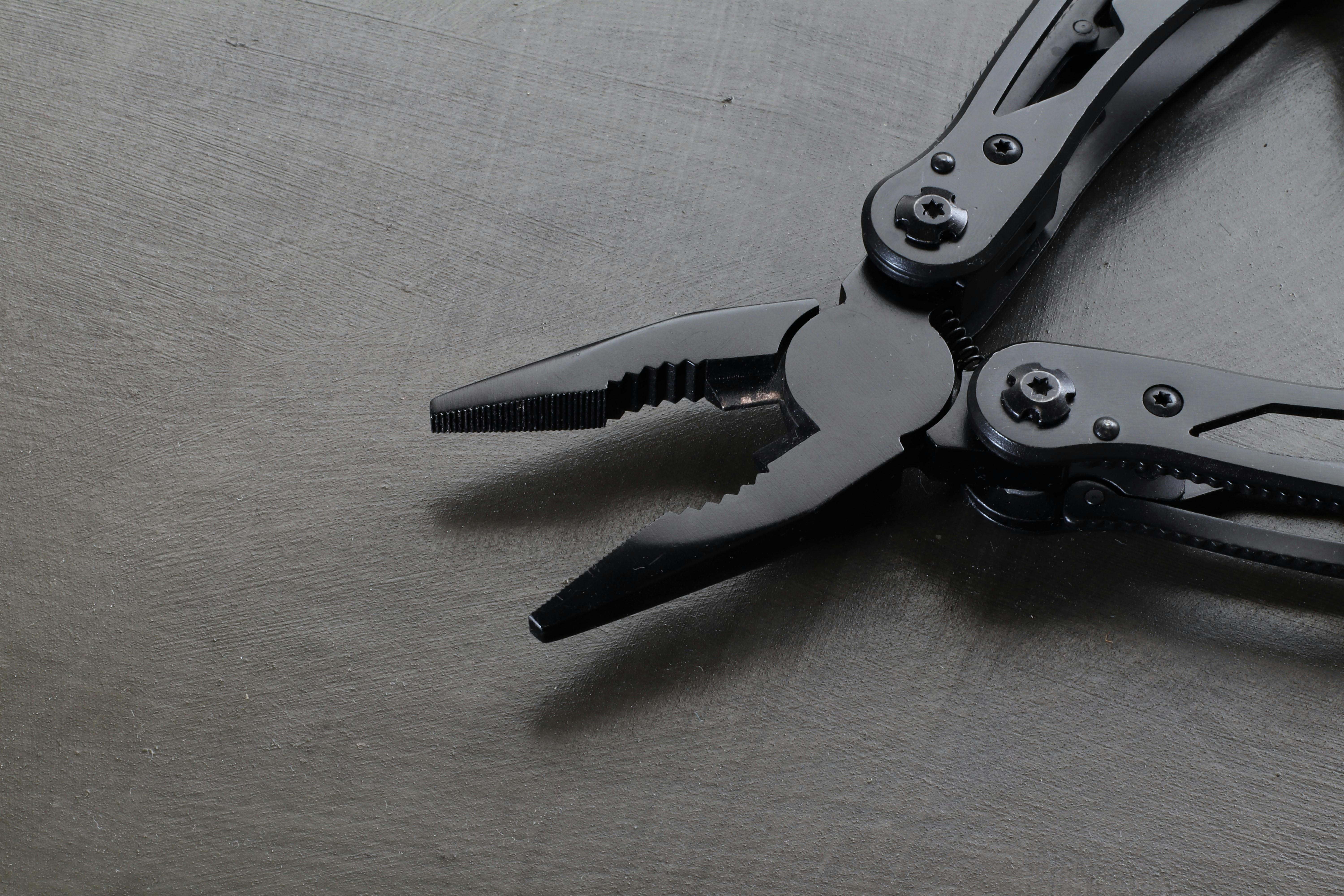
Why a Multitool Is the Most Versatile Tool on a Homestead
If you had to choose one tool to carry on your person every single day — through morning chores, an afternoon fence repair, an evening campfire, and everything in between — it would be a multitool. Nothing else packs pliers, a knife, a saw, screwdrivers, a file, wire cutters, and scissors into a package that clips to your belt and weighs under ten ounces. On a working homestead, the number of times per day you reach for one of those functions is staggering, and the alternative is walking back to the shop every time you need to snip a piece of wire or tighten a bolt.
This list covers 100 specific, practical uses for a full-size multitool — the kind with needle-nose pliers, a straight and serrated blade, a wood saw, Phillips and flathead screwdrivers, a metal file, scissors, wire cutters, and a can opener. That describes most popular models: the Leatherman Wave+, Leatherman Surge, Gerber Suspension NXT, Victorinox SwissTool Spirit, and dozens of others in the $40-$120 range. Some tasks below use only the pliers; others chain two or three tools together. All of them come from real situations on working land, in camp, or in daily carry.
The list is organized into three major sections — Farming and Homesteading (items 1-35), Camping and Outdoors (items 36-65), and Everyday Tasks (items 66-100) — with subsections within each to make it easy to scan for what you need.
Farming and Homesteading (1-35)
Fencing and Wire Work
1. Cutting baling wire. After you break open a hay bale, the wire has to go somewhere. The wire cutters on a multitool slice through standard 14-gauge baling wire cleanly — twist the wire once around the jaws to keep the cut end from whipping.
2. Splicing broken fence wire. When a strand of woven wire fence breaks mid-run, use your pliers to twist the broken ends together with a short splice piece. Three tight wraps on each side holds until you can do a proper repair.
3. Pulling fence staples. Slide the nose of the needle-nose pliers under the staple head, then rock the pliers against the post to lever it out. This works on both U-staples and barbed staples without chewing up the wood.
4. Tightening wire tensioners. In-line wire strainers (the ratchet type) have a small bolt that holds the ratchet wheel. A flathead screwdriver or the pliers can grip and turn that bolt when it loosens from vibration.
5. Bending wire loops for gate latches. When a gate latch breaks and the replacement is in town, form a temporary loop-and-hook closure from a length of heavy wire using your pliers to shape tight bends.
6. Cutting zip ties on temporary fencing. Rotational grazing setups use dozens of zip ties. The knife blade slices through them faster than fumbling with the release tab, especially when your hands are cold.
7. Stripping insulation from electric fence wire. When you need to make a clean connection at a fence charger terminal, use the wire cutters to score the insulation, then peel it back with the pliers. Do not cut too deep or you will nick the conductor.
8. Crimping fence wire sleeves. The flat area behind the plier jaws provides enough clamping force to close standard aluminum crimp sleeves on high-tensile wire. Squeeze, rotate 90 degrees, squeeze again.
Animal Care
9. Cutting baling twine from hay. Sisal and poly twine both cut cleanly with the serrated blade. Keep the blade sharp — dull serrations tear poly twine into frayed strands that animals can ingest.
10. Opening feed bags. The stitched tops of 50-pound feed bags release in seconds if you cut the chain stitch with the knife tip. Start at the correct end (the single-thread side) and pull.
11. Emergency coop and pen repairs. When a predator tears hardware cloth loose at 2 AM, your multitool is the fastest way to bend the cloth back into place, re-seat popped staples, and twist wire ties to hold until morning.
12. Removing splinters and debris from hooves. The needle-nose pliers and the awl (if your model has one) can extract thorns, small rocks, and wire fragments lodged in a horse or goat hoof. Clean the tool with alcohol first.
13. Adjusting ear tag applicators. The Phillips screwdriver tightens the pivot bolt on most livestock ear tag applicator pliers, which loosens after tagging a full batch.
14. Cutting netting for poultry tractors. When building or repairing a chicken tractor, the knife or scissors trim poultry netting to fit odd shapes around doors and ventilation openings.
15. Fashioning emergency lead ropes. If a lead rope snaps while you are in the field, the multitool can cut paracord or baling twine to a working length and help tie a quick bowline or honda knot.
⚠️ Safety Warning
Always clean your multitool with rubbing alcohol or a dilute bleach solution before and after using it on animals. Even small cuts or hoof work can introduce infection if tools carry dirt or rust. Keep a small bottle of isopropyl alcohol in your barn kit alongside the multitool.
Garden and Crops
16. Pruning small branches and suckers. The serrated blade handles branches up to about half an inch in diameter — roughly pencil thickness. Anything larger calls for actual pruning shears, but for tomato suckers and herb stems, the multitool is faster because it is already on your hip.
17. Cutting twine for trellising. Measure and cut lengths of garden twine without walking back to the potting bench. The scissors give a cleaner cut on thin twine than the knife blade.
18. Harvesting herbs. Snip basil, rosemary, thyme, and similar herbs at the stem with scissors. This is gentler on the plant than tearing by hand, which can damage the crown.
19. Opening seed packets. The knife tip slits seed packets precisely so you can control the pour rate. This matters with tiny seeds like lettuce or carrots where dumping the whole packet wastes seed.
20. Making grafting cuts. The straight blade, if kept razor-sharp, can make acceptable whip-and-tongue grafts on fruit tree rootstock. This is not ideal — a dedicated grafting knife is better — but it works when you spot an opportunity while walking the orchard.
21. Cutting drip tape and row cover. Drip tape and floating row cover both cut cleanly with scissors or the straight blade. Score the row cover rather than sawing to get a straight line.
22. Removing plant ties at end of season. Zip ties, twist ties, and Velcro straps holding plants to stakes accumulate by the dozens. The knife makes fast work of cleanup.
23. Digging out deep-rooted weeds in raised beds. The screwdriver blade works as a narrow pry bar to loosen dandelion and dock taproots in raised bed soil. It is not a trowel, but it gets the root out intact more often than pulling by hand.
Equipment and Repairs
24. Tightening bolts on implements. The pliers grip hex-head bolts up to about 3/8 inch. This covers the majority of hardware on garden carts, wheelbarrows, and small implements.
25. Adjusting gate hinges. Sagging gates are often one or two loose lag bolts away from swinging properly again. The screwdriver or pliers can tighten them enough to function until you bring out the socket set.
26. Emergency hose clamps. When a radiator hose or irrigation fitting blows a clamp in the field, the screwdriver tightens worm-drive clamps and the pliers can squeeze spring clamps back into position.
27. Stripping wire for electric fence charger repair. Electric fence chargers use small-gauge hookup wire internally. The wire cutters strip insulation from 16- to 22-gauge wire without nicking the copper.
28. Prying open stuck latches and hasps. The flathead screwdriver works as a small pry bar on corroded hasps, frozen padlock shackles, and stuck toolbox latches. Apply leverage slowly to avoid snapping the screwdriver tip.
29. Shearing cotter pins. When a cotter pin is too long after insertion through a clevis pin, cut the excess with the wire cutters and bend the remaining legs flat with the pliers.
30. Filing burred bolt threads. Cross-threaded or damaged bolts will not accept a nut. A few passes with the metal file cleans up the thread damage enough to get the nut started.
Irrigation and Water
31. Cutting drip line tubing. Both 1/4-inch micro-tubing and 1/2-inch drip line cut cleanly with the straight blade. Make the cut perpendicular to the tubing so barbed fittings seal properly.
32. Punching emitter holes in mainline. The awl or the tip of the small screwdriver punches holes in 1/2-inch poly drip line for inserting drip emitters or micro-sprinkler barbs. Twist as you push to get a clean hole.
33. Tightening hose clamps on PVC-to-poly transitions. These connections are notorious for slow leaks. The flathead screwdriver snugs the worm-drive clamp an extra quarter turn.
34. Cutting PVC pipe in an emergency. The wood saw will cut through Schedule 40 PVC up to about 3/4 inch diameter. It is slow and the cut will not be as clean as a pipe cutter, but it works when the pipe cutter is a half-mile away in the shop.
35. Clearing clogged drip emitters. The tip of the needle-nose pliers or a straightened piece of wire held in the pliers can push debris through a clogged emitter orifice. Soak the emitter in vinegar first if the clog is mineral buildup.
💡 Pro Tip
Dedicate one slot on your multitool sheath for a small piece of 600-grit sandpaper folded into a square. After cutting PVC or poly tubing, a quick sand of the cut end removes burrs and ensures a watertight seal on barbed fittings. It weighs nothing and saves trips back to the shop.
Camping and Outdoors (36-65)
Shelter and Camp Setup
36. Cutting rope and cordage. The serrated blade handles nylon, paracord, manila, and polypropylene rope. Use the serrated edge for synthetic rope — it grips the slick fibers instead of sliding.
37. Tightening tent stake guyline tensioners. The small channel in many guyline tensioners accepts a screwdriver tip to lock them in place once adjusted.
38. Improvised mallet with pliers. Close the pliers and use the flat back as a light mallet to tap tent stakes into hard ground. It is no substitute for a real mallet, but it works on aluminum stakes in packed soil.
39. Adjusting camp stove valves. Some camp stoves have set screws on the burner assembly that control flame spread. A small flathead screwdriver dials these in without needing a separate tool kit.
40. Trimming branches for a shelter frame. The wood saw cuts green branches up to about two inches in diameter for lean-to frames, ridge poles, and A-frame shelters. Cut at a 45-degree angle for pointed stakes.
41. Cutting and shaping tent pole splints. When an aluminum tent pole section cracks, a short piece of branch or aluminum tubing splinted over the break with duct tape saves the shelter. The saw cuts the splint to length.
42. Notching stakes for ridgeline anchors. Cut a V-notch near the top of a wooden stake with the saw so your ridgeline does not slide down the stake under tension.
43. Removing stuck zipper pulls on tent doors. The needle-nose pliers grip a broken or stuck zipper slider and work it back onto the track without tearing the fabric.
Fire and Cooking
44. Whittling kindling and feather sticks. Shave thin curls from a dry stick with the straight blade to create feather sticks that catch a spark or match flame easily, even in damp conditions.
45. Batoning small pieces of wood. For splits under about two inches, place the blade on the end grain and tap the spine with a baton stick. This is hard on the blade — do it only when you have no hatchet and need dry interior wood from a wet piece.
46. Cutting open food packaging. Vacuum-sealed meals, MRE pouches, and shrink-wrapped camp food all open faster and cleaner with a blade than with cold fingers tearing at a corner.
47. Pot lifter with pliers. Grip the rim of a metal pot or cup with the pliers to lift it off a camp stove or fire grate. This keeps your hands away from the heat and works better than a bandana, which can slip.
48. Opening cans. The can opener on most multitools works slowly but reliably. Puncture, lever, advance, repeat around the rim. Practice at home first — it is not intuitive on the first try.
49. Improvised pot hook. Bend a green branch into a hook shape using the pliers and hang your pot over the fire from a tripod or horizontal pole.
50. Scraping charred food from cookware. The back of the blade or the edge of the file scrapes burnt residue from camp pans when you have no scrub pad.
Navigation and Safety
51. Emergency signal mirror. A polished blade reflects sunlight effectively for signaling over distances of a mile or more in clear conditions. Sight along the blade toward the target.
52. Splinter and tick removal. The needle-nose plier tips grip splinters, thorns, and ticks close to the skin. For ticks, grip as close to the head as possible and pull straight out without twisting.
53. Cutting bandages and medical tape. The scissors cut gauze, medical tape, and moleskin precisely. This is one of the strongest arguments for choosing a multitool model that includes scissors.
54. Fashioning an arm sling. Cut a triangular section from a shirt, bandana, or any fabric with the knife, then tie it as a sling for a sprained or broken arm.
55. Creating a splint. Cut two straight branches to length with the saw, pad them with fabric, and bind them to the injured limb with strips cut from clothing or a pack strap.
Fishing and Hunting
56. Cutting fishing line. Monofilament and braided line both cut cleanly with the scissors or the serrated blade. The scissors give better control on light line.
57. Crimping split shot sinkers. The flat section of the pliers crimps split shot onto fishing line without cracking the lead or cutting the line.
58. Removing hooks from fish. The needle-nose pliers reach into a fish’s mouth to back the hook out without putting your fingers near the teeth or gill rakers.
59. Field dressing game. The straight blade, kept sharp, handles the initial opening cut, and the saw works through the sternum or pelvic bone. Clean the tool thoroughly afterward.
60. Making snare triggers. Carve notched trigger sticks from hardwood branches using the knife and saw. The file smooths the notch surfaces so the trigger releases cleanly under tension.
Gear Maintenance
61. Tightening loose screws on backpack frames. External frame packs and some internal frames use Phillips head screws at hip belt and shoulder strap attachment points. These vibrate loose on the trail.
62. Fixing zipper issues on packs and jackets. The pliers gently squeeze a zipper slider that has spread too wide and stopped gripping the teeth. Apply pressure evenly on both sides of the slider.
63. Sharpening other tools with the file. The diamond-coated or crosscut file on many multitools restores a working edge on hatchets, machetes, and camp knives. It is not a precision sharpening system, but it gets a dull tool functional.
64. Repairing snowshoe bindings. When a strap or rivet fails on a snowshoe binding, the awl punches a new hole in the webbing and wire or paracord threaded with the pliers creates a temporary fix.
65. Adjusting trekking pole length locks. Some lever-lock trekking poles have a small adjustment screw accessible with a flathead screwdriver. A quarter turn restores the clamping force when the lock starts slipping.
Everyday Tasks (66-100)
Home Repairs
66. Tightening cabinet hardware. Loose drawer pulls and cabinet knobs are almost always a single Phillips head screw on the inside. Two seconds with the multitool fixes the wobble.
67. Electrical outlet and switch plate screws. The flathead screwdriver fits standard electrical cover plate screws. Snug them flush with the plate — over-tightening cracks plastic plates.
68. Hanging pictures. The pliers grip small nails and brads for hammering (tap with the plier body), and the screwdriver drives picture-hanging screws into drywall anchors.
69. Adjusting eyeglasses. The very tip of the small screwdriver tightens the tiny Phillips or flathead screws on eyeglass hinges. Do this over a table — dropped screws are nearly impossible to find in carpet.
70. Tightening doorknob set screws. Wobbly doorknobs usually have a small Allen or flathead set screw on the shaft. The flathead screwdriver reaches into the recess and snugs it.
71. Removing stripped screws. Place a wide rubber band flat over the stripped screw head, then press the screwdriver through the rubber band into the screw. The rubber fills the stripped recess and adds grip.
72. Prying out old caulk. The flathead screwdriver scrapes deteriorated caulk from window frames and tub surrounds before re-caulking. Score along the edge with the blade first for a clean line.
73. Cutting drywall for small access holes. The saw blade cuts through drywall easily when you need a small access opening for wiring or plumbing inspection. Score first with the knife for a cleaner edge.
Vehicle and Roadside
74. Cutting a seatbelt in an emergency. The serrated blade cuts through seatbelt webbing. This is a legitimate emergency scenario — practice the motion so you know which blade to deploy under stress.
75. Tightening battery terminals. Loose battery terminals cause no-start conditions. The pliers grip the terminal bolt while the screwdriver or a second pair of pliers holds the nut.
76. Replacing blade fuses. The needle-nose pliers pull and insert blade-style automotive fuses from the fuse box without breaking them, and without the dedicated fuse puller that nobody can ever find.
77. Cutting zip ties in the engine bay. After a repair or installation, excess zip tie tails in the engine bay can rub against hoses. Trim them flush with the wire cutters.
78. Adjusting side mirror screws. Some older vehicles have manual mirror adjustments accessible with a Phillips screwdriver. The multitool reaches into the tight space behind the mirror housing.
79. Removing a stuck key from a lock. If a key breaks in a vehicle or padlock, the needle-nose pliers can grip the exposed stub and extract it — if enough material protrudes beyond the keyway.
80. Scraping corrosion from battery posts. The file or the back of the blade scrapes white corrosion buildup from battery terminals when you do not have a terminal brush.
⚠️ Safety Warning
Disconnect the negative battery cable before working on any vehicle electrical connections with a metal multitool. A metal tool bridging the positive terminal to the vehicle frame creates a dead short, which can weld the tool in place, cause burns, or ignite hydrogen gas from the battery. This is not theoretical — it happens regularly.
Office and Daily Carry
81. Opening packages and boxes. The blade slices packing tape on cardboard boxes. Use the tip to score along the seam rather than stabbing into the box — you might damage the contents.
82. Cutting loose threads from clothing. The scissors snip pulled threads and loose stitching on shirts, jackets, and bags without risking a bigger tear from pulling.
83. Tightening desk chair bolts. Office chairs loosen at the armrest, seat plate, and backrest bolts over time. The Phillips screwdriver and pliers handle most of these.
84. Prying staples from documents. The flathead screwdriver or the knife tip slides under staple legs and levers them up when you do not have a staple remover.
85. Stripping wire for USB or Ethernet cable repair. The wire cutters score insulation on small-gauge signal wire, and the pliers strip it back cleanly for soldering or crimping a new connector.
86. Opening sealed blister packaging. The scissors cut through the welded plastic edges of blister packs without the jagged, hand-slicing tears that come from forcing them open.
87. Tightening loose screws on outlet covers and wall plates at work. The same flathead driver that works at home works at the office. Loose plates look unprofessional and expose wiring.
DIY and Crafts
88. Stripping wire for electronics projects. For hobby electronics and home wiring projects, the wire cutters handle 14- through 22-gauge solid and stranded wire. Score lightly, then pull the insulation off with the pliers.
89. Scoring acrylic, thin wood, and soft metal for snap breaks. Run the blade along a straightedge several times to create a score line, then snap the material along the score. This works on acrylic sheet up to about 1/8 inch.
90. Cutting small dowels and balsa wood. The saw or the serrated blade cuts wooden dowels up to about 3/8 inch for craft and model projects. Sand the cut end afterward.
91. Deburring cut edges on sheet metal and tubing. After cutting thin sheet metal or copper tubing, the file removes the sharp burr that would otherwise cut your fingers or prevent a fitting from seating.
92. Bending small wire for jewelry or craft projects. The needle-nose plier tips make precise bends in craft wire, picture hanging wire, and small-gauge steel wire. Round-nose pliers make smoother loops, but needle-nose works in a pinch.
93. Punching starter holes in leather, canvas, and heavy fabric. The awl punches clean holes for rivets, grommets, and hand stitching in materials too thick for a standard needle.
94. Tightening hex bolts on 3D printers and CNC machines. Many desktop fabrication tools use small hex-head bolts for bed leveling and axis adjustment. The pliers grip them when you cannot find the Allen key.
💡 Pro Tip
Keep your multitool clean and lightly oiled. A drop of mineral oil on the pivot points every month prevents the tools from stiffening up. If your multitool has a locking mechanism, blow compressed air into the lock channel periodically to clear grit that can prevent the lock from engaging — a lock that does not engage is a blade that can close on your fingers.
Emergency and Survival
95. Breaking a vehicle window with a pointed tool. The corner of the file or the base of a closed multitool can shatter a side window (tempered glass) if struck firmly against the lower corner of the glass. This does not work on windshields, which are laminated.
96. Cutting clothing away from a wound. The scissors or the serrated blade cut through denim, canvas, and other heavy fabrics to expose a wound for treatment. Cut along the seam when possible to make the garment repairable later.
97. Improvised tourniquet windlass. A strip of fabric wrapped above a severe limb wound and tightened by twisting a multitool (closed) through the loop creates a functional tourniquet. This is a last-resort measure — use a commercial tourniquet if available.
98. Shutting off a residential gas valve. The pliers grip the rectangular tang on a residential gas shutoff valve and rotate it a quarter turn to the off position. Know where your gas shutoff is before you need it.
99. Prying open a jammed door. The flathead screwdriver or the knife blade (use the back, not the edge) can work into the gap between a jammed door and its frame to push back a stuck latch bolt.
100. Fashioning an improvised shelter anchor. In a windstorm or emergency, use the saw to cut stakes from branches, the knife to sharpen the points, and the pliers to twist wire anchors — building a functional shelter tie-down system from raw materials and one tool.
Key Takeaways
- A quality multitool with pliers, a knife, a saw, screwdrivers, a file, scissors, and wire cutters covers an extraordinary range of tasks across farming, camping, and daily life — often eliminating trips back to the shop or toolbox.
- The pliers and wire cutters see the most use on a homestead. Fencing, animal care, and irrigation all involve wire and hardware that the pliers handle quickly.
- Keep the blades sharp, the pivots oiled, and the tool clean. A neglected multitool is a dull, stiff liability. A maintained one is the most reliable tool you own.
- Carry it every day. The multitool you left on the workbench is useless when you are 300 yards away in the pasture with a broken fence. Belt sheaths and pocket clips exist for a reason.
- Know your multitool's limits. It replaces a trip to the toolbox for small tasks — it does not replace the toolbox. Anything requiring significant torque, precision, or heavy cutting calls for the right dedicated tool.
Recommended Gear
Products we trust in this category. Affiliate links support the site at no extra cost to you.
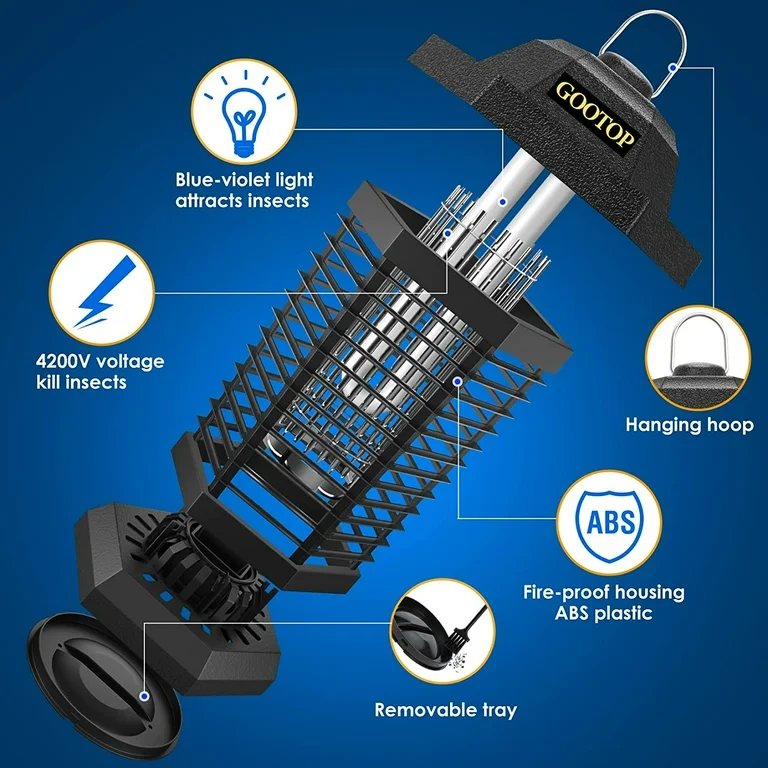
GOOTOP Bug Zapper Outdoor
4200V electric bug zapper with 3-prong plug. ABS plastic construction for indoor and outdoor mosquito and flying insect control.
View on AmazonAffiliate link
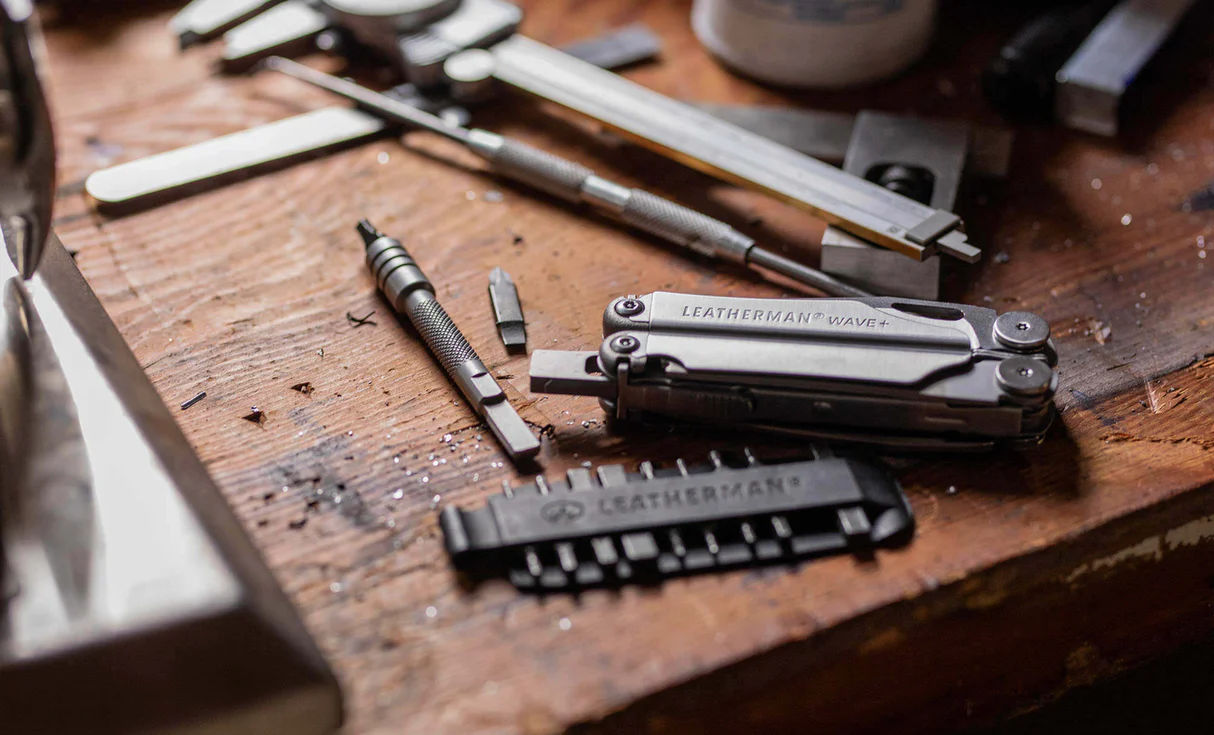
Leatherman Wave+
18-tool multitool with replaceable wire cutters. The do-everything tool for off-grid property work.
View on AmazonAffiliate link