 OffGridStead
Composting Toilets for Off-Grid Homes: The Complete Guide

Why Composting Toilets Are the Default for Off-Grid
If you are building or living off-grid, your toilet situation comes down to a short list of options: outhouse, septic system, incinerating toilet, or composting toilet. An outhouse works until winter hits or the health department visits. A septic system requires a percolation test, engineered design, heavy equipment, and $7,000-25,000 in installation costs — assuming your soil even passes the perc test. An incinerating toilet burns waste to ash using propane or electricity, which solves the disposal problem but creates a fuel dependency and costs $2,000-4,000 before you burn a single thing.
A composting toilet requires no water, no sewer connection, no septic field, no heavy equipment, and no fuel. It converts human waste into a soil-like material through the same aerobic decomposition process that breaks down leaves on a forest floor. The entire system fits inside your bathroom, runs on a small 12-volt fan (or no power at all in some models), and costs between $200 and $2,000 depending on the unit.
For cabins, tiny homes, RVs, and remote homesteads where running water is limited or nonexistent, a composting toilet is not a compromise. It is the most practical, most affordable, and lowest-maintenance sanitation option available.
A conventional flush toilet uses 1.6 gallons per flush at minimum. A household of two flushes roughly 10 times per day, consuming 5,840 gallons per year just to move waste from one room to a tank underground. For an off-grid home relying on rainwater catchment or a limited well, that is water you cannot afford to waste — literally.
How Composting Toilets Work
A composting toilet is not a holding tank with a seat on top. It is a managed aerobic decomposition system. Understanding the biology behind it explains why they work, why they do not smell when used correctly, and why maintenance is straightforward.
The Decomposition Process
Human waste is roughly 70-80% water by weight. The first job of a composting toilet is to remove that moisture through evaporation and ventilation. The second job is to provide the right conditions for aerobic bacteria and fungi to break down the remaining solid material into humus — a stable, soil-like substance that is pathogen-free when fully composted.
Aerobic decomposition requires four things:
-
Oxygen. Aerobic bacteria need air. This is why composting toilets have venting fans and why you add bulking material — to create air pockets in the pile. Anaerobic conditions (no oxygen) produce the foul odors associated with pit latrines and porta-potties. A properly functioning composting toilet is aerobic and should not smell like sewage.
-
Carbon-rich bulking material. Human waste is high in nitrogen. Aerobic decomposition works best at a carbon-to-nitrogen ratio of roughly 25:1 to 30:1. You add a carbon source after each use — coconut coir, peat moss, or fine wood shavings — to balance the ratio, absorb moisture, and maintain air pockets.
-
Moisture control. Too wet, and the pile goes anaerobic. Too dry, and decomposition stalls. The ideal moisture content is 40-60%. Urine diversion is the primary moisture control mechanism: by separating liquid from solid waste at the point of collection, the solids chamber stays in the correct moisture range without intervention.
-
Temperature. Decomposition accelerates with warmth. At 60-80 degrees F, bacterial activity is robust. Below 50 degrees F, it slows significantly. Below freezing, it stops entirely (but resumes when temperatures rise). This is why composting toilets in unheated cabins work differently in winter — the pile accumulates more volume and decomposes when the space warms up.
Urine Diversion
Most modern composting toilets separate urine from solids using a diverter built into the bowl. When you sit down, liquid flows to the front of the bowl into a urine collection bottle. Solids drop into the rear of the bowl and fall into the composting chamber below.
Urine diversion accomplishes three things: it keeps the solids chamber at the right moisture level, it eliminates the primary source of odor (urine mixed with feces produces ammonia), and it reduces the volume in the solids chamber significantly since urine accounts for the majority of human waste by volume.
💡 Pro Tip
Men should sit to urinate when using a urine-diverting composting toilet. Standing introduces urine into the solids chamber, which defeats the purpose of the diverter and creates moisture and odor problems. Every household member needs to understand this from day one.
Venting and Evaporation
A small fan (typically 12V DC, drawing 1-3 watts) runs continuously to pull air through the composting chamber and exhaust it through a vent pipe to the outside. This does two things: it creates negative pressure inside the unit so air flows into the toilet rather than out of it (preventing any odor from entering the bathroom), and it evaporates moisture from the composting pile.
The vent pipe is typically 2-4 inches in diameter and must run vertically through the roof or wall to the outside. Horizontal runs, sharp bends, and long runs reduce airflow and can cause odor issues. Keep the vent run as short and straight as possible.
The End Product
After 6-12 months of composting (depending on temperature and conditions), the end product is a dark, dry, earthy-smelling material similar to garden compost. In a self-contained unit, you empty the chamber well before this process completes — the material is partially decomposed and should be further composted outdoors in a dedicated bin for 6-12 additional months before any use near food plants.
⚠️ Safety Warning
Never apply fresh or partially composted humanure directly to vegetable gardens. Even in a well-functioning composting toilet, pathogens may survive in pockets that did not reach sufficient temperature. Always finish composting in a secondary outdoor bin, and if you use the end product at all, restrict it to fruit trees, ornamental plantings, or non-food areas. Many composting toilet users simply bag and dispose of the material in household trash — which is legal in most jurisdictions.
Self-Contained vs. Central Systems
Composting toilets fall into two broad categories, and choosing the wrong one for your situation leads to frustration. Here is what separates them.
Self-Contained Units
A self-contained composting toilet is a single appliance. The seat, the urine diverter, the composting chamber, and the ventilation system are all built into one unit that sits on your bathroom floor. You install it, connect the vent pipe, and it is ready to use.
Central (Split or Remote) Systems
A central composting system separates the toilet pedestal (which looks similar to a conventional toilet) from the composting reactor, which sits in a basement, crawl space, or utility room below the bathroom. Waste drops through a chute from the toilet to the reactor below. Some systems support multiple toilets connected to a single reactor.
| Feature | Self-Contained | Central System |
|---|---|---|
| Cost | $900-1,800 | $2,000-5,000+ |
| Capacity | 2-4 people (residential use) | 4-10+ people |
| Installation complexity | Low — vent pipe only | Moderate to high — requires floor penetration, chute, and space below |
| Bathroom footprint | Larger (unit is 18-22” tall, 15-20” wide) | Smaller (pedestal only, similar to standard toilet) |
| Best for | Cabins, tiny homes, RVs, single-bathroom homes | Full-size off-grid homes, multi-bathroom builds, high-use scenarios |
| Emptying access | In the bathroom (pull out the solids bin) | In the basement/utility room (larger reactor, less frequent emptying) |
| Appearance | Clearly not a conventional toilet | Can look nearly identical to a flush toilet |
| Maintenance location | Bathroom | Basement/utility area |
ℹ️ Info
If you are building a new off-grid home with a basement or crawl space and plan to live there full-time with a family, a central system is worth the added cost and complexity. The larger reactor handles higher volumes, requires less frequent attention, and keeps maintenance tasks out of the bathroom. For a weekend cabin, seasonal property, or tiny home, a self-contained unit is the clear choice.
Top 5 Composting Toilets Compared
These are the five most commonly installed composting toilets in the off-grid and tiny home community. Pricing reflects typical retail as of early 2026.
| Feature | Nature’s Head | Separett Villa 9215 | Sun-Mar Excel | Laveo Dry Flush | Air Head |
|---|---|---|---|---|---|
| Type | Self-contained | Self-contained (urine-diverting) | Central (self-contained option available) | Self-contained (cartridge) | Self-contained |
| Price | $1,040-1,100 | $1,050-1,150 | $2,000-2,500 | $175-200 (+ cartridges) | $1,100-1,200 |
| Power | 12V DC fan (2.5W) | 12V DC fan (3.6W) | 120V AC (optional 12V fan kit) | Battery-operated (no vent) | 12V DC fan (1.5W) |
| Solids capacity | ~80 uses (2 people, 3-4 weeks) | ~80 uses (2 people, 3-6 weeks) | 3 people continuous use | ~15 flushes per cartridge | ~80 uses (2 people, 3-4 weeks) |
| Urine diversion | Yes (built-in diverter) | Yes (dedicated urine pipe) | No (mixed system with drum) | No (sealed cartridge system) | Yes (built-in diverter) |
| Dimensions (L x W x H) | 20.5 x 17.75 x 21.5 in | 18.1 x 16.7 x 17.9 in | 22.5 x 19 x 23 in (self-contained) | 17.5 x 14.5 x 17.4 in | 20.25 x 16.5 x 20.25 in |
| Weight (empty) | 28 lbs | 37 lbs | 55 lbs (self-contained) | 16 lbs | 28 lbs |
| Warranty | 5 years | 5 years | 3 years (residential) | 1 year | 3 years |
| Best for | Cabins, tiny homes, boats, RVs — the most popular all-around choice | Full-time off-grid homes (best urine handling), Scandinavian design | Larger households, cottages with families, those wanting a central system | Guest cabins, emergency backup, zero-install situations | Boats, small cabins, those wanting a compact option |
Nature’s Head
The most widely sold composting toilet in North America for off-grid use. It uses a hand crank to agitate the composting material inside a lower drum, which mixes the waste with bulking material and promotes aerobic decomposition. The urine bottle holds approximately 2.2 gallons and needs emptying every 2-3 days for a couple. The solids chamber lasts 3-4 weeks for two full-time users.
The build quality is solid fiberglass. The hand crank mechanism is the main point of wear — a small number of users report the spider handle connection loosening over time, which is fixable with a replacement part from the manufacturer. Overall reliability is high, and the aftermarket support community is large.
Separett Villa 9215
A Swedish-designed unit that takes urine diversion further by piping urine directly out of the unit through a dedicated drain hose, eliminating the urine bottle entirely. This means no urine container to empty — urine either drains to a small soakaway pit outside or into a container in a utility area. Solids drop into a compostable bag liner inside a removable bin.
The bag liner system means you never touch waste directly. When the bin is full, you tie off the bag and transfer it to an outdoor composting bin. This is the cleanest emptying experience of any composting toilet on the market. The tradeoff is that the drain hose requires plumbing below floor level, which adds installation complexity.
Sun-Mar Excel
Sun-Mar offers both self-contained and central system configurations. The Excel is their flagship central system, using a rotating drum reactor that sits below the bathroom. It handles higher volumes than any self-contained unit and can support a family of three for continuous residential use.
The drum rotation (done via an external handle) mixes and aerates the material. A separate finishing drawer collects material that has been through the drum, allowing further composting before removal. The 120V AC requirement means this unit needs a reliable power source — not ideal for minimal solar setups unless you add the 12V fan kit.
Laveo Dry Flush
This is not technically a composting toilet — it is a cartridge-based dry toilet. Each “flush” seals the waste in a mylar bag liner using a battery-powered mechanism. No water, no decomposition, no venting, and no installation beyond setting it down and turning it on. When the cartridge is full (approximately 15 flushes), you remove and dispose of the sealed cartridge in the trash and load a new one.
The cost per flush is high: cartridge refills run about $22-28 per three-pack, which works out to roughly $0.50-0.60 per flush. For a couple using the toilet full-time, monthly cartridge costs reach $60-100. This is the most expensive option to operate long-term but by far the easiest to install and use.
💡 Pro Tip
The Laveo Dry Flush is an excellent guest-cabin toilet or emergency backup for when your primary composting toilet is being serviced. Its zero-install nature and familiar flush-like operation means guests use it without instruction. Do not plan on it as a primary toilet for full-time off-grid living — the cartridge costs add up fast.
Air Head
A compact self-contained unit popular in the marine and van-life communities, the Air Head uses a design similar to the Nature’s Head but with a slightly smaller footprint and a few ergonomic differences. The solids chamber uses a crank handle on the side (rather than the front), and the urine bottle is slightly larger at 2.4 gallons.
Build quality and capacity are comparable to the Nature’s Head. The Air Head’s main advantages are its marginally smaller dimensions and the side-crank design, which some users find easier to access in tight spaces. The main disadvantage is a slightly smaller community and less aftermarket accessory availability.
Installation Requirements
A composting toilet is one of the simpler systems to install in an off-grid build, but there are non-negotiable requirements that affect performance.
Venting
Every composting toilet with a fan requires a vent pipe routed to the exterior. This is the single most important installation detail.
- Pipe diameter: 2 inches for most self-contained units (Nature’s Head, Air Head). Separett uses a 2.95-inch (75mm) pipe. Sun-Mar central systems use 3-4 inch pipe.
- Routing: Vertical through the roof is ideal. The shorter and straighter the run, the better the airflow. Every 90-degree elbow reduces effective airflow by roughly 30%. If you must use elbows, use two 45-degree bends instead of one 90.
- Length: Keep the total vent run under 10 feet for self-contained units. Central systems with more powerful fans can handle longer runs.
- Termination: Use a vent cap that prevents rain entry and insect intrusion but does not restrict airflow. Avoid standard plumbing vent caps with flapper valves — they create back-pressure.
⚠️ Safety Warning
Do not combine the composting toilet vent with any other exhaust system, range hood duct, or plumbing vent. The composting toilet vent must be a dedicated, standalone pipe. Combining vents can cause reverse airflow that pushes odor into the bathroom or other living spaces.
Power
Most composting toilet fans run on 12V DC, drawing 1.5-3.6 watts. This is a trivial load for any off-grid solar system — roughly 36-86 watt-hours per day if running continuously. Many units come with a 120V AC adapter for grid-powered homes, with a 12V DC option for off-grid. A few units (like the Laveo Dry Flush) run on D-cell batteries and require no external power.
If your cabin has no electrical system at all, a single small solar panel (10-20 watts) with a small battery can power a composting toilet fan indefinitely.
Floor Space
Self-contained composting toilets require more floor space than a standard flush toilet because the composting chamber sits below the seat. Typical footprint is 17-22 inches wide by 20-23 inches deep. Account for clearance to open the solids chamber for emptying — most units require 12-18 inches of clear space on one side or behind the unit.
Plan a minimum bathroom width of 36 inches for a composting toilet installation. For comfortable use and maintenance access, 42-48 inches is preferred.
Urine Drainage (Separett and Central Systems)
The Separett Villa 9215 and some central systems route urine through a drain hose to an external collection point. This requires:
- A 3/4-inch to 1-inch drain hose routed through the floor or wall
- A minimum slope of 1/4 inch per foot on the drain line
- An exterior destination: a small gravel soakaway pit (2 x 2 x 2 feet, filled with gravel, at least 50 feet from any water source), a sealed collection container, or connection to an existing greywater system
Code Considerations by State
Composting toilet legality varies significantly. Most states permit them, but the regulatory framework differs.
| Regulatory Category | States (Examples) | Requirements |
|---|---|---|
| Explicitly permitted | Oregon, Washington, Texas, Arkansas, Colorado, Maine, Vermont, New Hampshire, Florida | NSF 41 certified unit required in most cases. Some states accept non-certified units with a site-specific permit. Local health department approval typically required. |
| Permitted as secondary system | California, New York, many Midwest states | Composting toilet allowed but a conventional septic or sewer connection may still be required as the primary system. |
| Permitted with restrictions | Some Southern and Mid-Atlantic states | May require a licensed installer, specific setback distances for compost disposal, or periodic health department inspections. |
| No specific regulation | Several states | Neither explicitly permitted nor prohibited. Default to local county health department jurisdiction. This can go either way — some counties are progressive, others default to “no.” |
ℹ️ Info
NSF/ANSI Standard 41 is the national testing standard for composting toilets. It certifies that the unit processes waste effectively and produces an end product with acceptable pathogen levels. Nature's Head, Separett, and Sun-Mar all carry NSF 41 certification. If your state or county requires certification, confirm the specific model you are buying is listed. The Laveo Dry Flush and some Air Head models are not NSF 41 certified because they do not compost — they contain and remove waste.
Maintenance and Daily Use
Living with a composting toilet is not difficult, but it does require a different routine than flushing and forgetting.
Daily Use Procedure
- Use the toilet normally (seated for all users, as discussed above).
- After a solid deposit, add 1-2 cups of bulking material (coconut coir, peat moss, or fine wood shavings) to the solids chamber. This covers the waste, controls odor, adds carbon, and absorbs moisture.
- Turn the agitator crank (Nature’s Head, Air Head) 3-4 full rotations to mix the new material into the existing pile.
- Close the lid. The fan does the rest.
Bulking Material Options
| Material | Cost (per cubic ft) | Absorption | Carbon Ratio | Availability | Notes |
|---|---|---|---|---|---|
| Coconut coir | $1-3 (compressed brick) | Excellent | High | Online, garden centers | Expands 5-7x when hydrated. Pre-moisten before first use. Most popular choice. |
| Peat moss | $0.50-1.50 | Very good | High | Any garden center | Slightly acidic, which helps suppress odor. Not renewable — harvested from bogs. |
| Fine wood shavings | $0.25-1.00 | Good | Very high | Lumberyards, pet supply (hamster bedding) | Avoid cedar or treated wood. Pine and aspen are fine. Do not use sawdust — too fine, restricts airflow. |
💡 Pro Tip
Buy coconut coir in compressed 5 kg bricks. One brick expands to approximately 16-18 gallons of loose material when hydrated, enough for 2-3 months of use for two people. Store the hydrated coir in a covered bucket beside the toilet with a dedicated scoop. A 5 kg brick costs $8-15 online, making this one of the cheapest consumables in your entire off-grid setup.
Emptying Schedule by Household Size
| Household Size | Solids Chamber | Urine Container |
|---|---|---|
| 1 person, weekend use | Every 2-3 months | Every 4-5 days of use |
| 1 person, full-time | Every 4-6 weeks | Every 3-4 days |
| 2 people, full-time | Every 3-4 weeks | Every 2-3 days |
| 3-4 people, full-time | Every 2-3 weeks (or upgrade to central system) | Daily |
Emptying the Solids Chamber
When the solids chamber is full (most units have a visible fill line or you will notice the crank becoming harder to turn):
- Disconnect the urine bottle and set it aside.
- Remove the toilet seat/upper section from the base (typically two latches or wing nuts).
- The solids bin lifts or slides out. In the Nature’s Head and Air Head, the entire lower section carries to the disposal location.
- Dump the contents into a dedicated outdoor composting bin with a tight-fitting lid. Or, bag the contents in a heavy-duty trash bag and dispose in household waste.
- Rinse the solids chamber with a garden hose (outside, not in the bathroom). Wipe the inside with a diluted vinegar solution.
- Add 2-3 inches of fresh, pre-moistened bulking material to the empty chamber before reassembling.
The entire process takes 10-15 minutes. The material is partially composted and should not have a raw sewage smell — it typically smells earthy and slightly musty.
Urine Container Maintenance
Empty the urine bottle into an outdoor pit, dilute and apply to non-food plants (urine is an excellent nitrogen fertilizer at a 10:1 water-to-urine dilution), or pour into a municipal sewer cleanout if available. Rinse the bottle with water after each emptying. Once a week, add a splash of white vinegar to the empty bottle to prevent uric scale buildup.
Odor Troubleshooting
If you smell odor in the bathroom, something is wrong. Composting toilets operated correctly produce no perceptible smell at the toilet. Diagnose systematically:
| Symptom | Likely Cause | Fix |
|---|---|---|
| Sewage/ammonia smell | Urine mixing with solids | Check diverter alignment. Confirm all users are sitting. Check for urine overflow reaching solids. |
| Sour/anaerobic smell | Pile too wet, insufficient airflow | Add more bulking material. Check that fan is running. Inspect vent pipe for blockage. |
| Smell only when wind blows | Wind pushing air down vent pipe | Add a wind-directional vent cap. Extend vent pipe 12-18 inches above roofline. |
| Smell when lid is opened | Normal — minimal odor on opening is expected | Not a problem unless strong. If strong, add more bulking material and verify fan operation. |
| Gnats or fruit flies | Excessive moisture, sweet/fermenting material | Add dry bulking material. Ensure vent screen is intact. A strip of fly tape near the vent intake catches stragglers. |
Common Objections and Myths
Composting toilets have a perception problem. Most objections come from people who have never used one, or who are comparing them to poorly maintained pit latrines. Here are the most common concerns addressed with facts.
”They smell terrible.”
A properly functioning composting toilet does not smell. The continuous fan creates negative pressure — air flows into the unit, not out of it. Urine diversion prevents ammonia formation. Bulking material covers solids and maintains aerobic conditions. If a composting toilet smells, it is malfunctioning or being used incorrectly — the same way a conventional toilet smells if the wax ring fails or the trap dries out.
”I do not want to deal with human waste.”
You are already dealing with human waste every time you plunge a clogged toilet, call a septic pumper, or clean a bathroom. With a composting toilet, you empty a container of partially composted material that looks and smells like damp soil every few weeks. You do not touch the material. You do not process it by hand. The level of direct contact is less than changing a diaper.
”Are they even legal?”
In most US states, yes. NSF 41 certified composting toilets are explicitly permitted in the majority of state plumbing and health codes. Some states require them as a secondary system alongside a conventional connection, and some rural counties have no specific regulation at all (which generally means they default to the local health officer’s discretion). The strongest resistance comes from suburban building departments that default to conventional plumbing code. In rural off-grid contexts, composting toilets are widely accepted.
”Can I really use this full-time?”
Tens of thousands of households use composting toilets as their sole sanitation system year-round. The Nature’s Head alone has been the primary toilet for thousands of full-time cruising sailors, RV travelers, tiny-home dwellers, and off-grid homesteaders for over a decade. A self-contained unit comfortably supports 1-2 full-time users. For families of 3-4 or more, a central system is the appropriate choice.
”What about guests?”
Guests generally need a 30-second explanation: sit down for everything, add a scoop of material after solid use, do not put anything in the toilet that did not come from your body (no wipes, no feminine products, no trash). A small laminated instruction card on the wall handles this. The Laveo Dry Flush is a zero-explanation option for guest spaces if you prefer not to have the conversation.
Cost Analysis
The financial case for a composting toilet over a conventional septic system is significant, especially for off-grid properties where the alternative involves earthwork, engineering, and permitting.
Upfront Cost Comparison
| Item | Composting Toilet | Conventional Septic System |
|---|---|---|
| Toilet/unit | $900-1,800 (self-contained) | $150-400 (flush toilet) |
| Installation | $50-200 (vent pipe, DIY) | $7,000-25,000 (tank, leach field, permits, excavation) |
| Water supply for flushing | $0 | Included in water system cost |
| Perc test and engineering | Not required | $500-1,500 |
| Permit fees | $0-200 | $200-1,000 |
| Total upfront | $950-2,200 | $7,850-27,900 |
Annual Operating Costs
| Item | Composting Toilet | Septic System |
|---|---|---|
| Bulking material (coconut coir) | $30-50 | N/A |
| Fan electricity | $5-15 (solar: $0) | N/A |
| Urine drain/disposal supplies | $0-10 | N/A |
| Septic pumping (every 3-5 years, annualized) | N/A | $100-150 |
| Water for flushing (5,840 gal/yr at well/catchment cost) | $0 | $20-100 |
| Annual total | $35-75 | $120-250 |
Payback Analysis
If you are choosing between installing a composting toilet and a conventional septic system, the savings are immediate — there is no payback period because the composting toilet is cheaper from day one.
| Scenario | Composting Toilet (Cumulative Cost) | Septic System (Cumulative Cost) | Savings with Composting Toilet |
|---|---|---|---|
| Year 0 (installation) | $1,500 | $15,000 | $13,500 |
| Year 5 | $1,800 | $15,750 | $13,950 |
| Year 10 | $2,100 | $16,500 | $14,400 |
| Year 15 (replace composting unit) | $3,600 | $17,250 | $13,650 |
| Year 20 | $3,900 | $18,000 | $14,100 |
The cost advantage holds even if you replace the composting toilet unit entirely every 15 years. Over a 20-year period, the total cost of composting toilet ownership (including one full replacement) is roughly $3,900 compared to $18,000 or more for a septic system — and that septic figure assumes no repairs, no failed leach field, and no pump replacements.
For off-grid builders, the money saved on septic installation can fund your solar system, water catchment, or insulation upgrades — investments that improve your quality of life far more than a hole in the ground filled with waste.
Key Takeaways
- Composting toilets use zero water and require no septic system, sewer connection, or heavy infrastructure. They are the most practical sanitation option for off-grid homes, cabins, and tiny houses.
- Urine diversion is critical. Separating liquid from solid waste controls moisture, prevents odor, and extends the emptying interval. All users must sit for all uses.
- The vent pipe is the most important installation detail. A short, straight, vertical vent run with a continuously running fan eliminates bathroom odor entirely.
- For 1-2 people, a self-contained unit is sufficient. The Nature's Head and Separett Villa 9215 are the two most proven choices. For families or full-time households of 3+, invest in a central system like the Sun-Mar Excel.
- Maintenance is 10-15 minutes every 2-4 weeks. Add bulking material after each solid use, empty the urine container every few days, and empty the solids chamber monthly. There is no plumbing to unclog, no septic to pump, and no leach field to replace.
- Composting toilets save $13,000+ over a septic system in upfront costs alone, with annual operating costs under $75. The financial case is not close.
- Check your local regulations before buying. Most states permit NSF 41 certified composting toilets, but requirements vary by county. A 10-minute call to your local health department will clarify your situation.
- They do not smell when operated correctly. If yours smells, diagnose the airflow, moisture level, and urine diversion — one of those three factors is off.
Recommended Gear
Products we trust in this category. Affiliate links support the site at no extra cost to you.
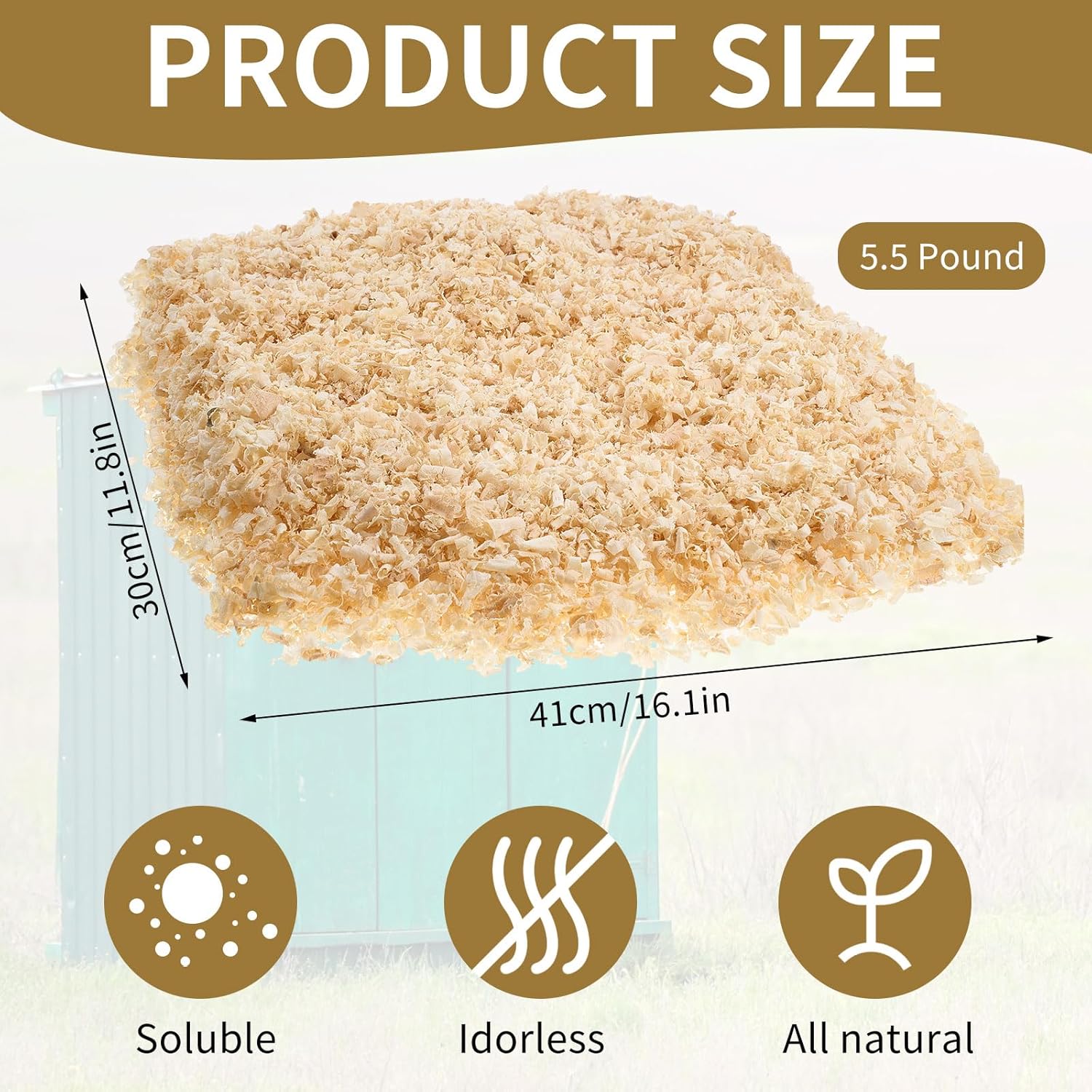
LEIFIDE Composting Toilet Sawdust (5.5 lbs)
All-natural composting sawdust for indoor and outdoor compost toilets. Eliminates odor without chemicals.
View on AmazonAffiliate link
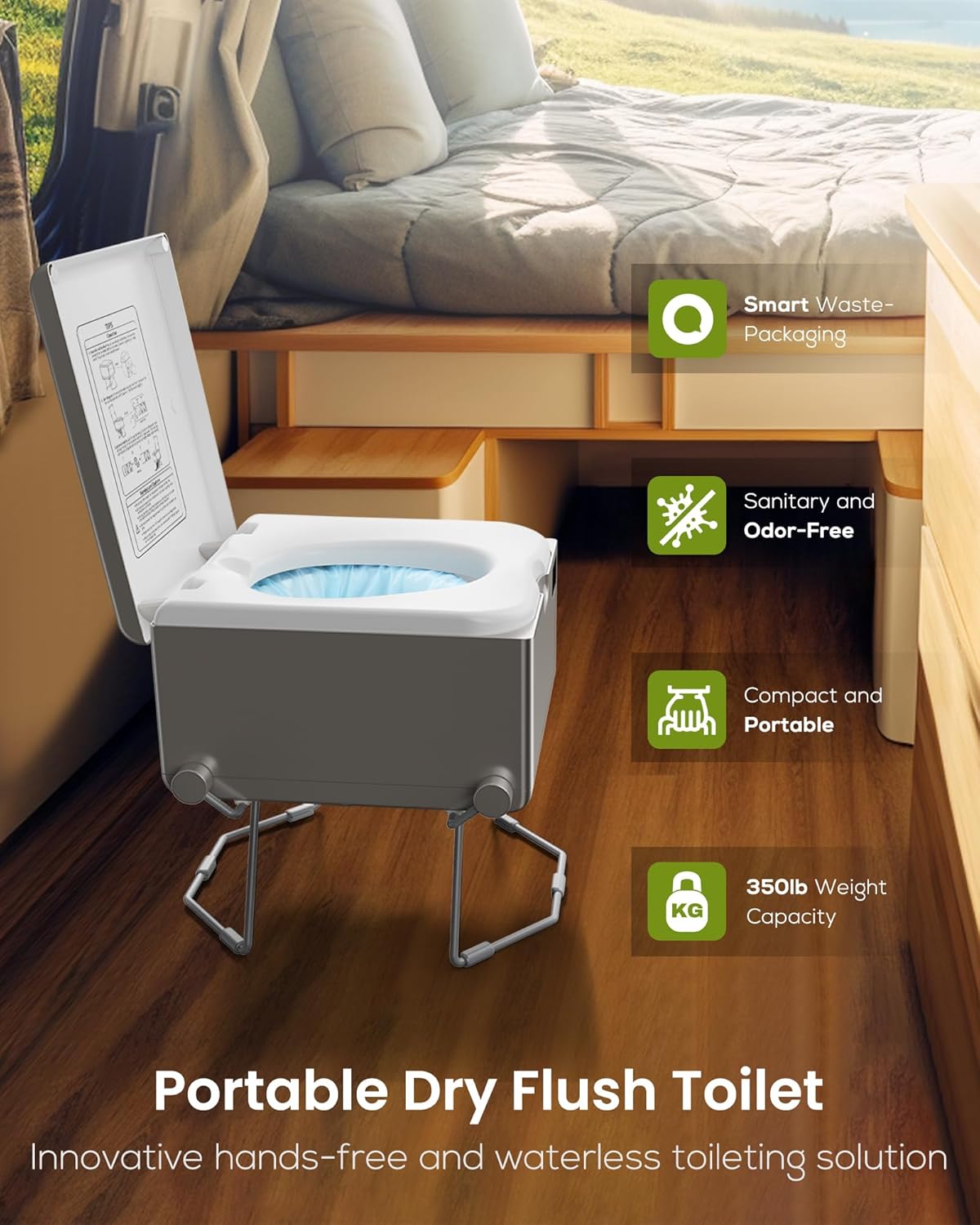
Dry Flush Portable Toilet
Waterless, odorless, self-contained rechargeable portable toilet for RVs, vans, boats, tiny houses, and off-grid living.
View on AmazonAffiliate link
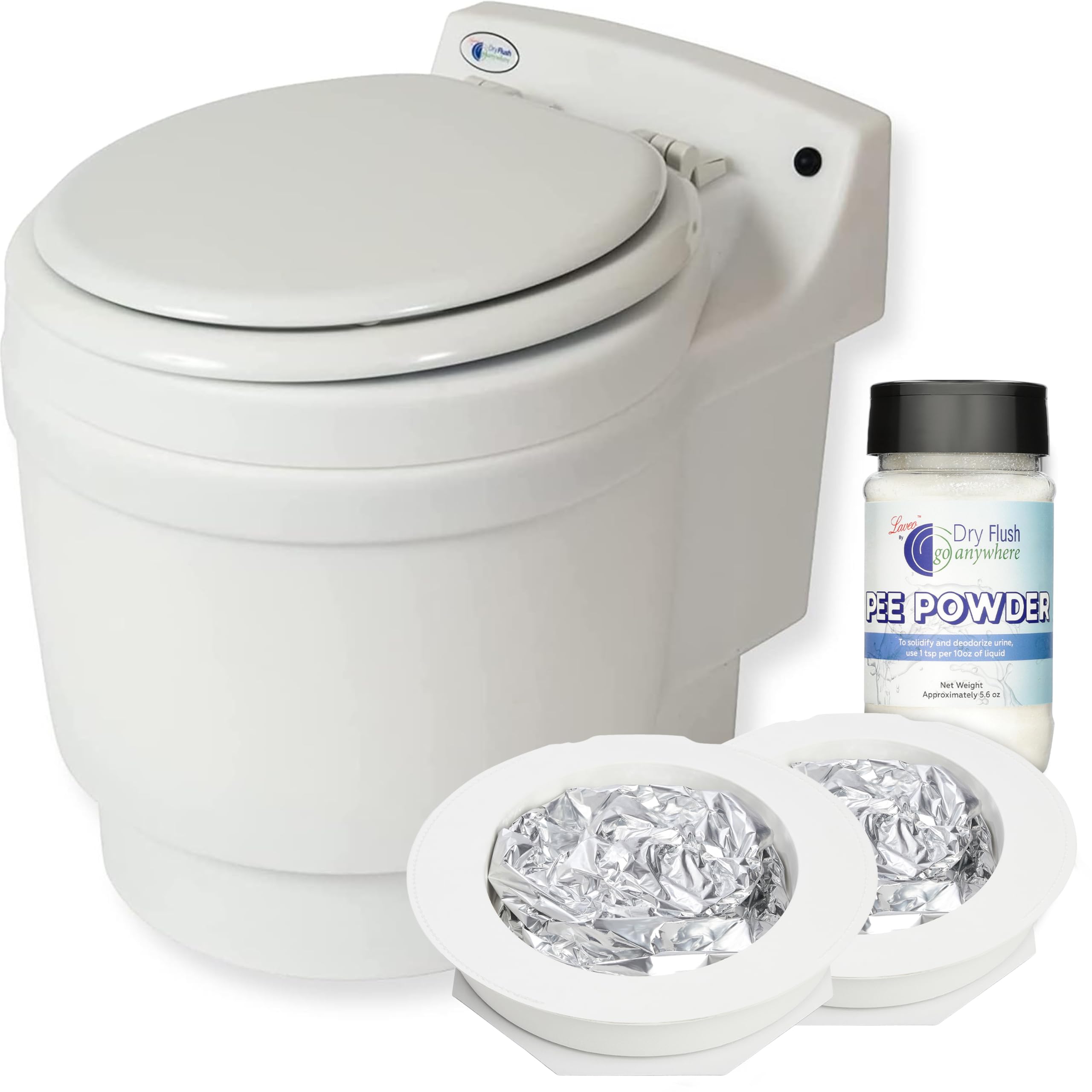
Laveo Dry Flush Toilet
Waterless, portable, self-contained dry flush toilet. No plumbing, no water, no chemicals — just seal and dispose. Great for tiny homes, vans, boats, and off-grid cabins.
View on AmazonAffiliate link